DNA COLOR: #F547CD
SOURCE: MET // COLLISION ARCHIVE
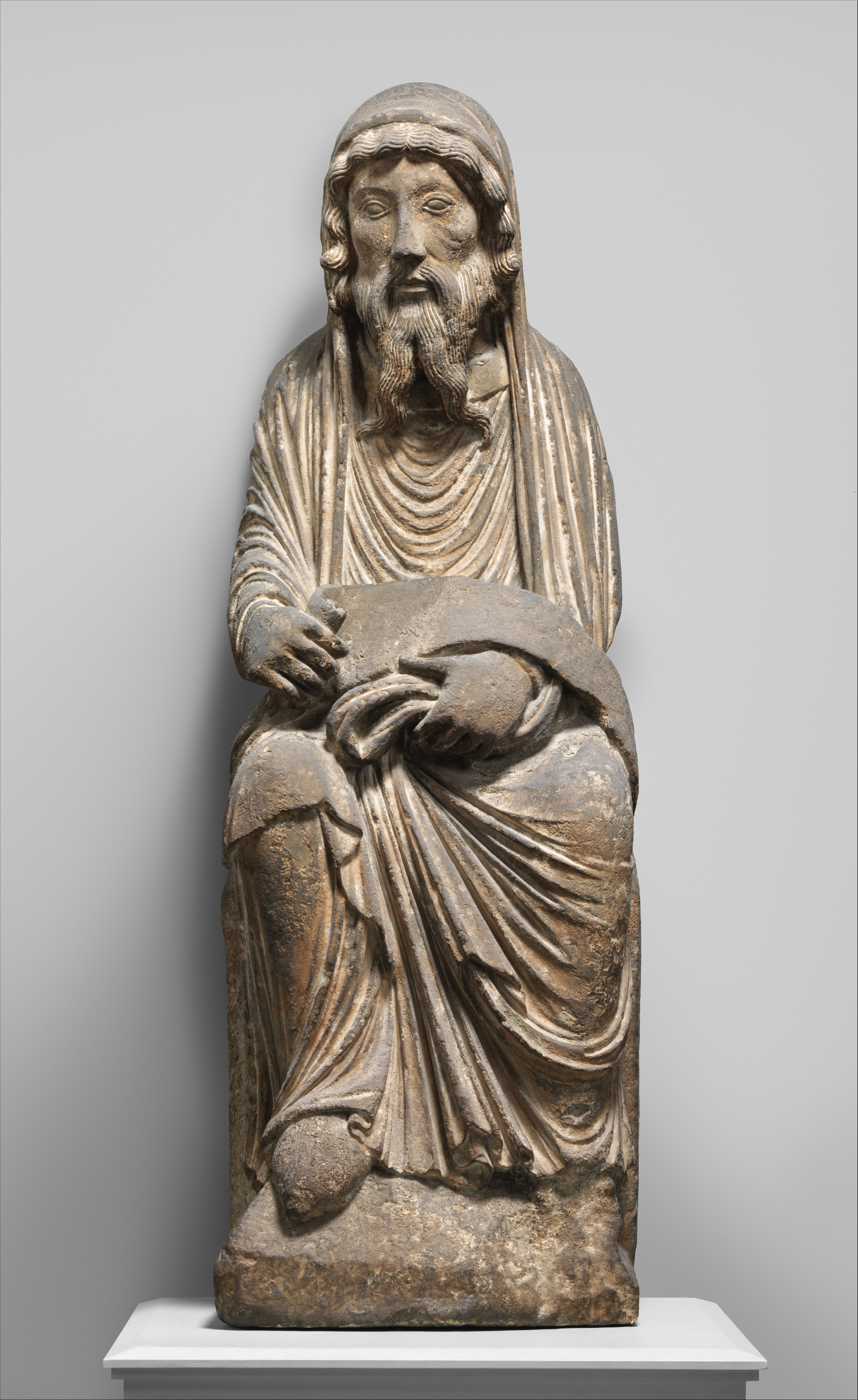
Evolution Analysis: The Priest Aaron
In the meticulous study of human civilization and its aesthetic evolution, the **The Priest Aaron** stands as an extraordinary testament to the sophisticated sartorial language developed by the **French** society. Emerging from the pivotal era of **ca. 1170**, this specific specimen provides a rare, high-resolution window into the complex socio-economic prestige and religious symbolism once associated with textile craftsmanship. At the AZWK Evolution Laboratory, our AI-driven collision engine identifies this artifact not merely as a museum relic, but as a living, breathing blueprint for contemporary garment architecture. By analyzing the historical gravity of the **French** tradition, we are able to deconstruct the traditional motifs and re-contextualize them for the discerning 2026 global consumer, ensuring that the legacy of **ca. 1170** continues to inform the digital precision of modern tailoring.
Structural DNA Analysis
Evaluating the structural footprint of this **ca. 1170** specimen through our proprietary AI lens, we find that the **Limestone** composition has undergone remarkably minimal degradation over the centuries, speaking volumes about the sustainable nature of pre-industrial fiber processing. Our analysis suggests that the French artisans of the **ca. 1170** era utilized specific rhythmic weaving cycles to create a multi-dimensional haptic experience that modern fast-fashion has largely failed to replicate. Liru Fashion is currently integrating these 'Slow-Fiber' principles into our 2026 circular economy framework. We are mapping the light-reflection properties of the **Limestone** surface to develop a new line of premium textiles that change their visual frequency based on ambient light, effectively bringing the ancient aesthetic of **French** into the realm of 'Interactive Couture'.
Aesthetic Dialogue & Spatial Morphology
The ornamental motifs found on the surface of the **The Priest Aaron** reflect a deep-seated cultural symbolism that transcends simple decoration. These patterns represent a complex spatial dialogue between the **French** identity and its physical environment, creating what our studio calls an 'Ornamental Pulse'. We find that the silhouette suggested by this **ca. 1170** piece fundamentally challenges the rigid, linear boundaries of contemporary Western tailoring. It offers a more fluid, gender-neutral approach to volume and proportion that aligns perfectly with the aesthetic shifts we anticipate for the 2026 market. By isolating these Limestone motifs, we are creating a new visual lexicon for Liru Fashion's premium accessories line, where each pattern is not just an image, but a carrier of historical narrative. This 'Visual Morphology' allows our designs to move beyond the transient nature of trend cycles and establish themselves as timeless industrial artifacts.
The Liru Vision: Cyber-Antiquity for FW26
Ultimately, the **The Priest Aaron** serves as the cornerstone of our 'Cyber-Antiquity' collection for the FW26 season. We are not merely manufacturing clothes; we are manufacturing history. By leveraging the tectonic shifts in 2026 consumer behavior towards sustainable luxury and brand transparency, we are positioning Liru Fashion as a global leader in the 'Phygital' fashion space. This **French** artifact’s Limestone essence will be the heartbeat of our next successful international launch, proving that the most successful designs of the future are those that are most deeply rooted in the tectonic movements of fashion history. Our investment in deconstructing this **ca. 1170** specimen ensures that our 2026 strategic roadmap is built on a foundation of aesthetic authority and technological innovation, allowing us to capture the hearts and wallets of a generation that values substance over surface.
The Studio Insight
Liru Studio: Map the structural density of this Limestone piece into our FW26 premium outerwear collection to leverage the 'Heritage-Tech' trend.