The portrait 'Elizabeth Grant Bankson Beatty and Her Daughter Susan' exemplifies structured Victorian silhouettes with rigid corsetry and symmetrical drapery—a stark contrast to Dong embroidery's organic flow. Modern pattern cutting here demands a dialogue between these opposing philosophies.
1. **Silhouette Deconstruction**: Traditional Dong motifs (interlocking geometrics, symbolic flora) can be fragmented into asymmetric panels. A corset's boning channels may be reinterpreted as staggered embroidery lines that 'break' at intentional stress points, mimicking fabric distress in deconstructionism.
2. **Negative Space as Pattern**: Victorian modesty covered the neckline; Dong embroidery often frames it. Combine by cutting trapezoidal armholes that extend into shoulder panels, allowing embroidered 'floating' motifs to bridge bare skin—pattern pieces become discontinuous yet culturally legible.
3. **Draping with Structure**: Dong textiles often feature stiffened hems for ceremonial wear. Apply this to deconstructed tailoring by cutting curved pattern blocks that stand away from the body (e.g., a peplum transformed into a free-hanging embroidered crescent), using traditional starching techniques on modern fabrics like neoprene-linen blends.
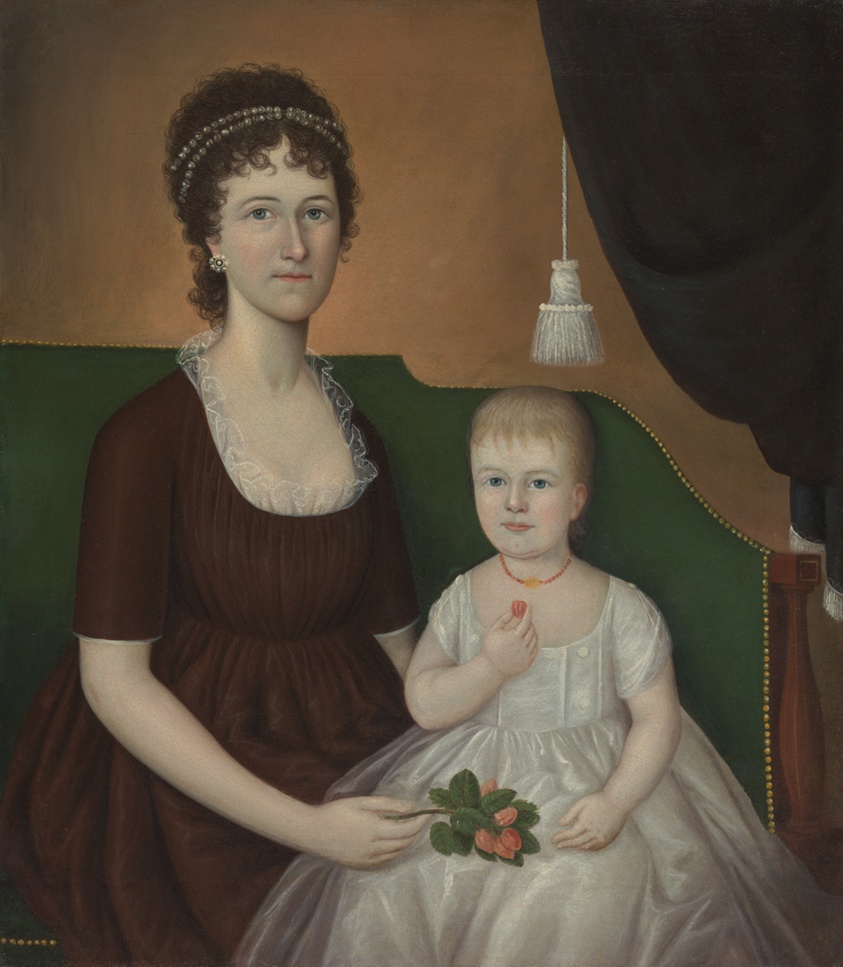
Deconstructing Tradition: Silhouette & Pattern Cutting in Dong Embroidery-Inspired Fashion
The Studio Insight
For pattern testers: Layer Dong embroidery samples over slashed muslin to visualize tension points. The embroidery hoop's circular tension mirrors deconstruction's controlled chaos—stretch fabric diagonally across the grain when pinning motifs to exploit this tension for structural support.