Silhouette & Pattern Cutting: Bridging Ancient Textiles and Modern Design at AZWK
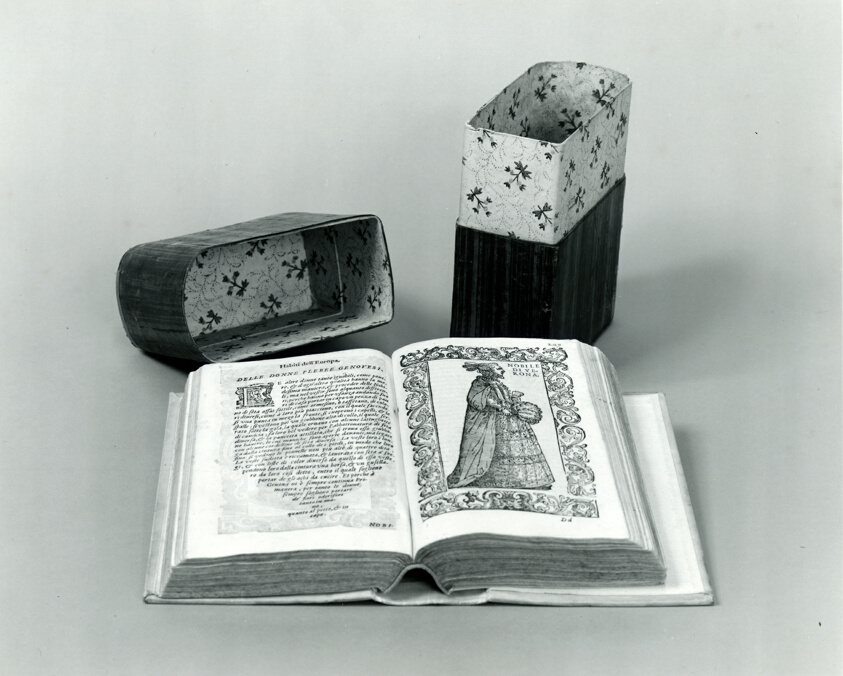
The masterpiece 'De Gli Habiti Antichi, et Moderni' by Cesare Vecellio from the Art Institute of Chicago serves as a pivotal reference for understanding the intersection of cultural conflict and sartorial identity. In the context of Chinese-Western cultural tensions, domestic textile and apparel industries have transformed material culture into national consciousness, crafting a unique design identity. This modern material culture reflects the clash and fusion of Eastern and Western technologies, ideologies, and lifestyles. Yao ethnic attire, for instance, embodies national culture and nature worship through its colors, patterns, and structures. Techniques like cross-stitch embroidery and batik share common ground with modern fashion’s graphic composition and layering techniques. By employing the concepts of 'formal resemblance' (形似) and 'spiritual resemblance' (神似), traditional elements can be innovatively reinterpreted in contemporary design. At AZWK, we draw from these principles to create silhouettes and patterns that honor heritage while embracing modernity. Vecellio’s documentation of global attire underscores the universality of pattern-making as a language of identity—a principle we elevate through precision cutting and structural experimentation.
The Studio Insight
For designers: Study historical garments like those in Vecellio’s archive to identify recurring silhouette archetypes (e.g., trapezoidal cuts in Yao skirts). Fuse these with modern textile engineering—try laser-cutting batik-inspired motifs onto technical fabrics for structured yet fluid garments. Always ask: How does the silhouette communicate cultural hybridity?